_edited.jpg)
Speech and Drama vs Dance Class for Toddlers in Singapore: The 2026 Parent’s Guide
What if your toddler’s "shyness" isn't a hurdle to clear, but a gentle spark waiting for the right kind of light? Many parents feel a quiet anxiety when deciding between a speech and drama vs dance class for toddlers Singapore, worrying that the wrong choice might overwhelm a sensitive child or feel too much like a rigid lesson. You want your child to thrive, yet the pressure of choosing the right developmental catalyst is real when term fees at some local centers, like Wild Rice's Wild Kids, reach S$708.50.
We understand that you’re looking for more than just a skill; you’re seeking a nurturing environment that feels like pure play while supporting holistic development. This guide will help you identify whether your child’s temperament is better suited for the linguistic curiosity of storyplay or the rhythmic joy of themed dance. We'll explore how these paths accelerate brain development through kinesthetic learning and auditory patterns, ensuring you find a space where your little one’s confidence can truly bloom from the inside out.
Key Takeaways
Learn to distinguish between formal instruction and the joyful reality of Storyplay and Creative Movement designed specifically for early toddler development.
Discover how dramatic role-play nurtures your child's emotional intelligence and accelerates language acquisition in a safe, imaginative space.
Explore how themed dance uses kinesthetic learning to strengthen auditory processing, laying a vital foundation for future mathematical patterns.
Use our Catalyst Choice framework to decide between a speech and drama vs dance class for toddlers Singapore by matching the program to your child's unique temperament.
See why prioritizing a nurturing process over a final performance helps protect your child's unique journey and sparks a lifelong love for discovery.
Table of Contents
Speech and Drama vs Dance: Understanding the Toddler Enrichment Landscape
Choosing between a speech and drama vs dance class for toddlers Singapore often feels like standing at a crossroad between two beautiful paths of discovery. In our local community, enrichment isn't just about filling a Saturday morning; it's a vital foundation for social-emotional learning (SEL). You might wonder if drama is only for the extroverted child or if dance requires the discipline of a tiny ballerina. The truth is much more gentle. These classes serve as different sensory doorways to the same destination: a confident, curious child who feels safe to explore their potential.
Both paths aim to build self-assurance, but they use different "catalysts" to get there. While one focuses on the magic of the spoken word and character, the other uses rhythm and physical expression. Research into the benefits of arts education shows that early exposure to these creative outlets helps bridge the gap between a toddler's rapid brain growth and their ability to express complex feelings. It's about providing a fertile environment where your child can sway, speak, and shine at their own pace.
What is Storyplay? The Heart of Toddler Drama
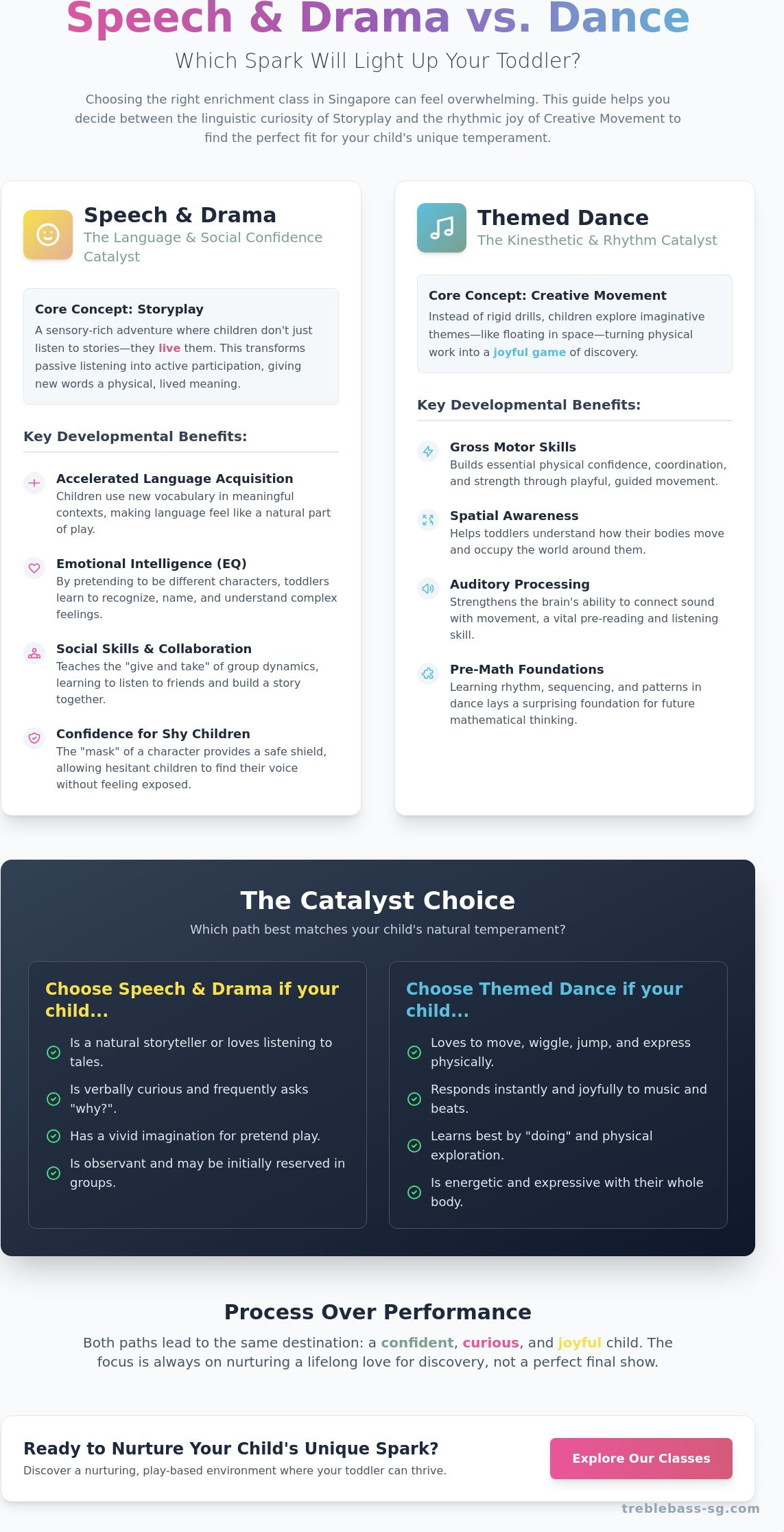
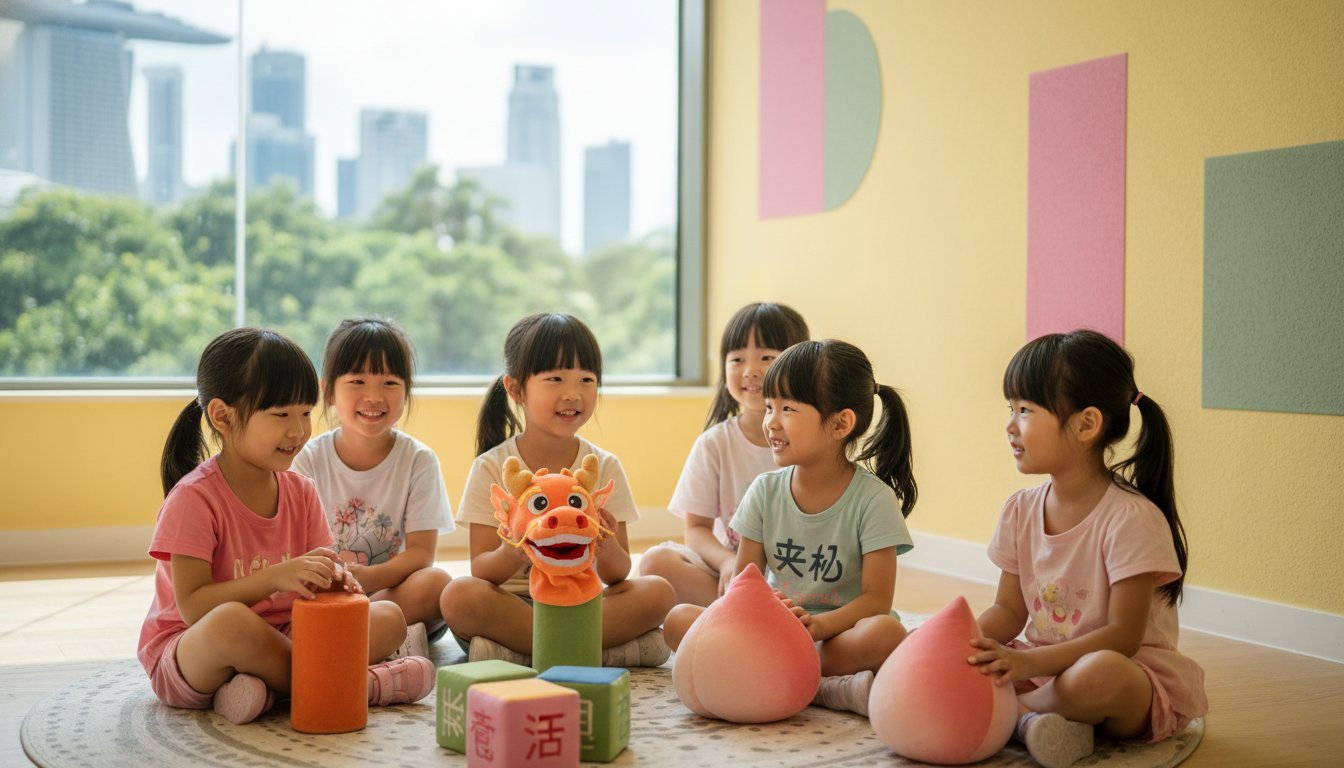
Toddler drama is a world away from memorizing scripts or standing on a stage under bright lights. It's built on the foundation of "Storyplay." This approach turns a simple tale into a living adventure where your child doesn't just listen but actively participates. If a story describes a gusty wind, the children aren't just hearing about it; they're "becoming" the wind, swaying their arms and making soft whooshing sounds. This shift from passive listening to active "living" in a story builds a vital bridge between a child's blooming imagination and their daily reality. We define Storyplay as a sensory-rich method for early language acquisition that gives new vocabulary a physical, lived meaning.
Themed Dance: Beyond the Tutu
Themed dance for toddlers is less about rigid technical positions and more about "Creative Movement." Instead of repetitive drills, we invite children to explore themes that spark their curiosity, such as scuttling like a crab on a beach or floating like an astronaut in space. This focus on imaginative themes makes the physical work feel like a joyful game. Through these movements, toddlers develop essential gross motor skills and spatial awareness. They learn how their bodies occupy the world around them, building the physical confidence that serves as a foundation for all future learning. It's a rhythmic journey that celebrates every little step and jump as a victory of discovery.
Speech and Drama: The Language and Social Confidence Catalyst
Dramatic play is a linguistic powerhouse that transforms a toddler's world into a living dictionary. When children step into a story, they're encouraged to use new vocabulary in a meaningful context, making language acquisition feel like a natural extension of their play. In the ongoing discussion of a speech and drama vs dance class for toddlers Singapore, the drama path offers a unique focus on verbal expression and the subtle art of emotional labeling. By pretending to be a hungry caterpillar or a brave explorer, children learn to recognize and name complex feelings, which serves as a vital cornerstone for their growing emotional intelligence.
The National Endowment for the Arts emphasizes the significant social and emotional benefits found in early arts participation. These classes teach toddlers the delicate "give and take" of group dynamics. They learn to wait for their cue, listen to their friends, and collaborate to move a shared "story" forward. In our local context, where bilingualism is a cherished skill, Chinese speech and drama programs like Playtots and Adventurers act as a secret weapon. These immersive experiences make Mandarin feel like a joyful, living language rather than a list of words to be memorized, sparking a genuine curiosity for the mother tongue from as early as one year old.
Nurturing the Shy Child
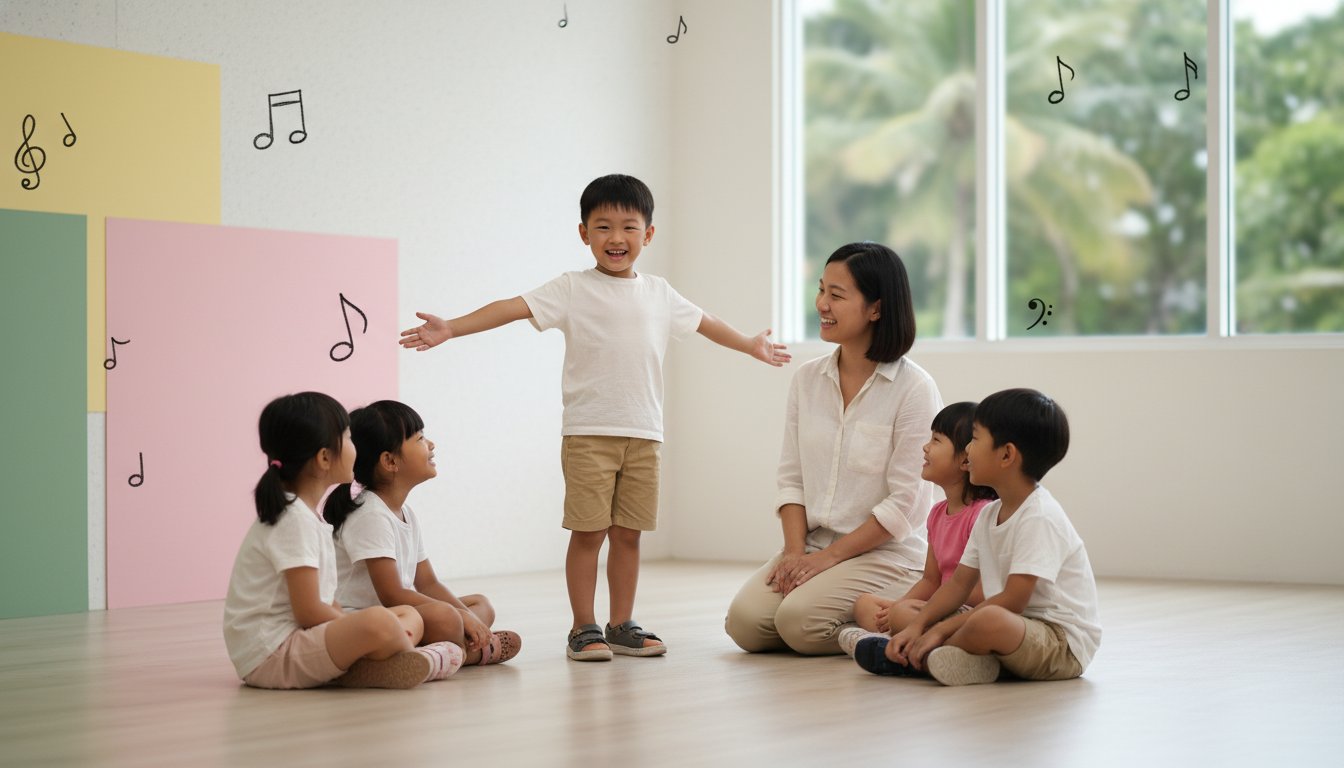
It's a common parent worry: "Will my shy child just stand there in the corner?" In reality, drama provides a beautiful "mask" through character play. When a child takes on the role of a friendly lion, it isn't the child speaking; it's the character. This psychological safety net allows even the most hesitant toddlers to find their voice without feeling exposed. You can explore this transformation further in our Singing Lessons in Singapore: A Case Study on Nurturing Confidence through Storyplay, which illustrates how story-driven environments help little sparks grow into steady flames of self-assurance.
Cognitive Growth and Literacy
There's a profound connection between the narrative structure of drama and early reading readiness. As toddlers follow a plot from beginning to middle to end, they're developing the sequencing skills and "story grammar" necessary for future literacy. Our Bloomers and Adventurers programs are carefully crafted to target these cognitive milestones. By physically living the narrative, children internalize how stories work long before they start formal schooling. If you're seeking a space where your child can thrive in a nurturing musical learning environment, these drama-based foundations provide a fertile ground for both the heart and the mind.
Themed Dance: The Kinesthetic and Rhythm Catalyst
While storytelling uses the voice to bridge imagination and reality, themed dance uses the entire body as a canvas for expression. For the toddler who can't seem to keep their feet still, the choice between a speech and drama vs dance class for toddlers Singapore often depends on how they process new information. Many children are natural kinesthetic learners. They don't just want to see a picture of a butterfly; they need to "fly" across the room to truly understand the concept. This whole-body motion isn't just play. It's a powerful way to accelerate brain development by creating strong neural pathways through physical experience.
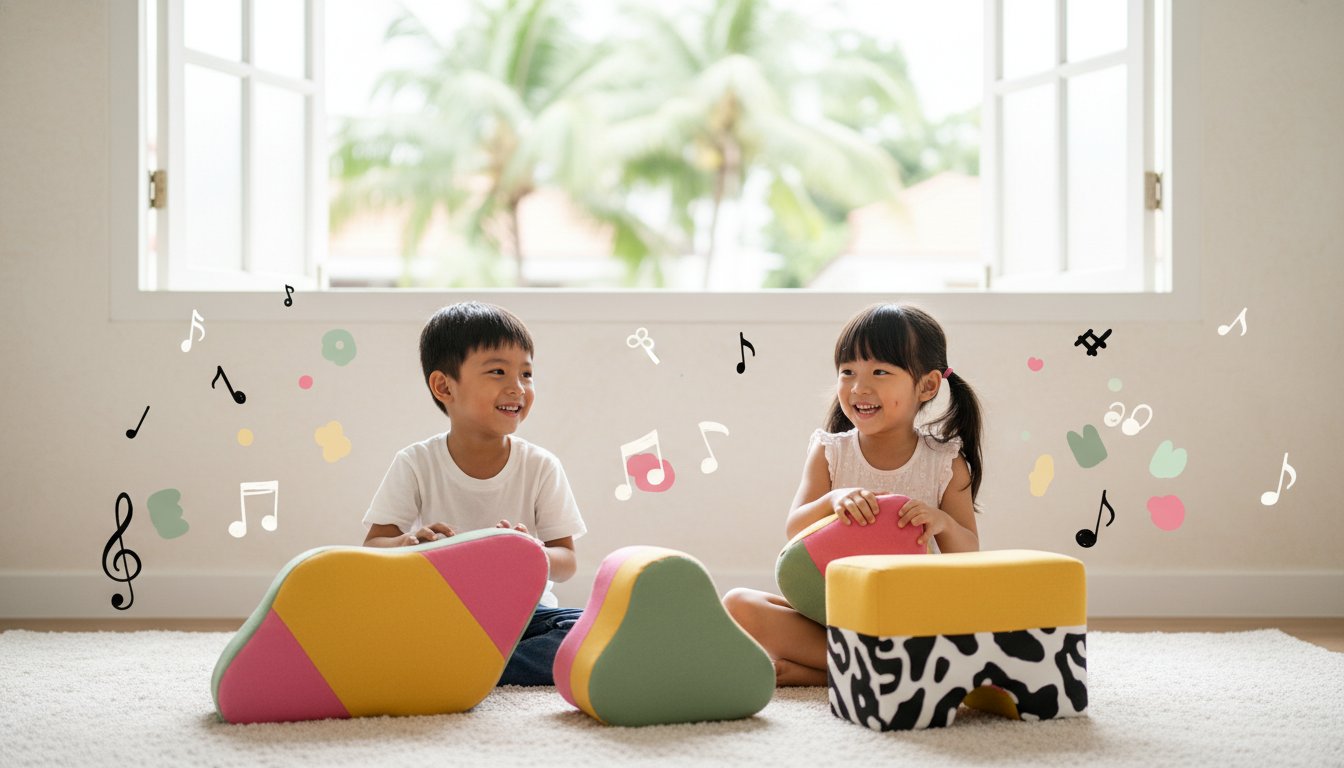
Rhythm is another silent teacher in the dance studio. When your little one sways to a steady beat or claps along to a melody, they're developing vital auditory processing skills. This rhythmic awareness prepares the brain for the mathematical patterns and phonetic sounds they'll encounter later in school. In our Starsteps Themed Dance sessions, we focus on these foundational "little sparks" of logic and language. We use sensory-rich props like silk scarves and colorful ribbons to engage multiple senses simultaneously. This sensory integration helps toddlers stay grounded and focused, turning a simple dance into a holistic developmental experience.
Physical milestones are a joyful byproduct of this creative exploration. Through themed movement, toddlers build the core strength, balance, and coordination they need for daily life. These physical "brakes" and "steering" mechanisms are essential for a child's ability to sit still and focus in a classroom later on. By strengthening their bodies, they're also strengthening their capacity for self-regulation and quiet attention.
Creative Movement vs. Formal Ballet
At this tender age, rigid technical positions and formal exams can inadvertently extinguish a child's natural curiosity. Toddler brains aren't wired for the repetitive drills of traditional ballet. Instead, we prioritize the "joy of movement" as the primary goal. We believe that a fertile learning environment should feel like an invitation to explore, not a set of instructions to follow. This approach protects your child's unique journey while building a genuine, lifelong love for the arts.
Developing a Sense of Self in Space
Dance is a beautiful way for toddlers to understand their physical boundaries. As they scuttle like crabs or float like astronauts, they learn to navigate the room while respecting the personal space of their friends. These themed activities spark a deep imaginative connection, helping them realize where their body ends and the world begins. It's a gentle lesson in empathy and spatial awareness that builds confidence from the inside out.
Decision Framework: Which Class Suits Your Child’s Personality?
Finding the right fit doesn't have to be a guessing game. When weighing a speech and drama vs dance class for toddlers Singapore, think of it as finding the perfect catalyst to ignite your child's natural sparks. Every child enters our Holland Village studio with a unique temperament. Some are "Observers" who find comfort in the narrative structure of a story, while others are "Explorers" who need to process the world through their muscles and bones. Neither path is superior, but one may be better for your child's current developmental stage.
Practical considerations also play a role in this decision. In the busy rhythm of Singaporean life, finding a nurturing environment that offers trial classes can ease the anxiety of "over-scheduling." If your family's goal is to strengthen a connection to the mother tongue, the "Bilingual Factor" becomes a priority. Choosing a Chinese Storyplay program over an English-only option can transform Mandarin from a school subject into a joyful, lived experience that happens during play.
The Toddler Archetype Match
The Verbal Spark: If your child loves being read to, chats with their toys, or enjoys mimicking sounds, they'll likely thrive in Bubbles or Playtots. These programs use Storyplay to turn that linguistic curiosity into social confidence.
The Physical Spark: For the child who never sits still and starts swaying the moment music plays, Starsteps Themed Dance is the natural choice. It channels that energy into rhythm and spatial awareness.
The Sensory Spark: If your little one is between 1 and 2 years old and still finding their footing, our Baby C (喜宝宝) or English Baby classes provide a gentle, music-led introduction to both movement and sound.
Comparison Matrix: Speech & Drama vs. Dance
If you're still unsure which path will best support your child's current journey, we invite you to book a trial session at Treble Bass to witness their discovery firsthand and see which environment makes their eyes shine brightest.
The Treble Bass Approach: Nurturing the Holistic Child
At Treble Bass, we don't believe you should have to choose between linguistic growth and physical expression. Our philosophy integrates music, movement, and drama into a single, fertile learning environment that honors the whole child. While the debate over a speech and drama vs dance class for toddlers Singapore often focuses on specific skills, we look deeper at the developmental sparks that ignite a child's confidence. By blending these disciplines, we ensure that your little one develops social, physical, and linguistic milestones simultaneously in a space that feels like pure discovery.
Our "Little Sparks" philosophy serves as the heartbeat of everything we do. We value the process of discovery far more than a final, polished performance. In our classrooms, success isn't measured by a perfectly executed dance step or a memorized line; it's seen in the way a child's eyes light up when they find their voice or a new way to move. This approach protects your child's unique journey, ensuring they never feel the pressure of rigid instruction. Our teachers combine decades of professional artistic expertise with a deep, maternal warmth, creating a sanctuary where empathy is just as important as proficiency.
Our Bilingual Storyplay Programs
Choosing the right entry point is essential for building a lifelong love of learning. For our youngest explorers aged 1 to 3 years old, Playtots (Chinese) and Bubbles (English) offer a sensory-rich introduction to the world of Storyplay. These classes make language acquisition feel effortless through the magic of narrative and play. As your child grows, they transition seamlessly into our Adventurers and Bloomers programs for 3 to 6 year olds. This pathway ensures that the foundational sparks lit in their toddler years grow into a steady flame of self-assurance as they head toward formal schooling.
Creating Meaningful Connections
Parents often find that our classes are just as much about family bonding as they are about enrichment. For our younger toddlers, the presence of a parent provides the secure base they need to sway, sing, and explore. These shared moments facilitate deep emotional connections, turning a weekly lesson into a cherished family ritual. If you want to see how this musical foundation supports your child's entire well-being, read our guide on the Best Music Classes for Toddlers in Singapore: A Nurturing Guide for 2026. We focus on nurturing from the inside out, ensuring every child feels seen and celebrated.
Finding your child's "shining" moment is best done through experience rather than research alone. We invite you to join us for a trial session to see firsthand how our blend of expertise and empathy can support your toddler's growth. It's the most natural way to discover which path will act as the perfect catalyst for your child's unique personality and potential.
Empowering Your Toddler’s Unique Journey
Choosing between a speech and drama vs dance class for toddlers Singapore isn't about finding the "best" activity, but the best catalyst for your child's current temperament. Whether your little one thrives through the rhythmic sway of a Starsteps class or the imaginative world of our bilingual storyplay adventures, the goal remains the same: holistic growth in a safe, joyful space. You now have the framework to match their natural sparks to the right developmental path.
Since 2015, we've combined decades of teaching expertise with maternal empathy to create a fertile learning environment in Holland Village. Our specialized programs in both Mandarin and English ensure that language acquisition and physical confidence bloom naturally through play. We invite you to witness your child's potential firsthand in a setting that values discovery over performance.
Book a Nurturing Trial Class for Your Little Spark Today and let's begin this beautiful chapter of discovery together. We can't wait to see your child shine.
Frequently Asked Questions
Is my 18-month-old too young for speech and drama?
Your 18-month-old is at the perfect age to begin their journey with our Playtots or Bubbles storyplay programs. These classes are specifically designed for toddlers aged 1 to 3 years old, focusing on sensory exploration rather than formal acting. It's a wonderful time to spark their curiosity through rhythmic sounds and imaginative play in a safe, nurturing environment.
What is the difference between storyplay and a normal drama class?
Storyplay is an immersive, process-driven approach where children "live" a story through their senses instead of memorizing a script. Traditional drama classes often prioritize a final performance on a stage, but storyplay focuses on the internal journey of discovery. This method accelerates language acquisition and emotional intelligence by allowing toddlers to experience a narrative from the inside out.
Will a dance class help my child with their motor skill delays?
Themed dance uses kinesthetic learning to support balance, coordination, and core strength through joyful movement. While our classes don't replace professional therapy, our Starsteps program provides a fertile environment where physical milestones are met through play. Many parents find that the rhythmic nature of dance helps their children understand their physical boundaries more clearly.
How do I know if my child should take the Chinese or English drama program?
Choosing between a speech and drama vs dance class for toddlers Singapore often involves looking at your family's bilingual goals. If you want to make Mandarin feel like a living, joyful language, our Playtots program is an excellent choice. You should pick the language that you want your child to feel most connected to during these critical years of brain development.
Can my child switch between dance and drama if they change their mind?
We absolutely encourage parents to follow their child's natural sparks as they grow and change. If your little explorer decides they would rather be a storyteller, we make it easy to transition between our dance and drama programs. We believe in protecting each child's unique journey rather than forcing them into a rigid curriculum that no longer suits their temperament.
Are there recitals or exams for toddlers at Treble Bass?
We do not conduct formal exams or high-pressure recitals for our toddlers because we believe these can extinguish a child's natural joy. Our focus remains on the process of discovery and the meaningful connections made during each session. We celebrate small victories every week in the classroom rather than waiting for a single performance at the end of the term.
How long does it take to see a boost in confidence?
Most parents begin to notice little "shining" moments of increased confidence within 4 to 6 weeks of consistent attendance. Confidence isn't a race; it's a steady flame that grows as your child feels more secure in our nurturing musical learning environment. You might first notice them participating more in group songs or offering their own ideas during a story.
What should my child wear to a themed dance class?
Comfort is our top priority, so your child should wear stretchy clothing that allows them to sway and jump freely. There's no need for formal tutus or specialized dance shoes in our Starsteps sessions. Bare feet or non-slip socks are the safest options for our studio floors, helping your little one maintain a steady grip while they explore.
Comments